
Space law has existed surprisingly since 1919, it began with the law recognising each countries control over the airspace directly over their territory. (This was then confirmed in the Chicago Convention on International Civil Aviation 1947). This has continued to develop and became a field completely separate from aerospace law. Today issues of international space law are handled by The United Nations Office for Outer Space Affairs (UNOOSA).

The UNOOSA website has lots more information if you’re interested in the work that they do. http://www.unoosa.org/oosa/en/aboutus/roles-responsibilities.html
Crime in Space: The First Offence
This week has raised more issues about how earth’s laws should govern activity in space. Complexities arise when the conversation moves from issues of ownership, to the area of crime. This week NASA is beginning investigations into the first ever account of a crime in space. This was first reported in the New York Times, but since the story has been picked up by other news outlets such as the BBC.
https://www.google.co.uk/amp/s/www.nytimes.com/2019/08/23/us/nasa-astronaut-anne-mcclain.amp.html
https://www.google.co.uk/amp/s/www.bbc.com/news/amp/world-49457912
The investigations are concerned with Anne McClain, a decorated astronaut on a sixth month mission aboard the International Space Station. She was due to take part in NASA’s first all female space mission, but had been suffering with personal issues.
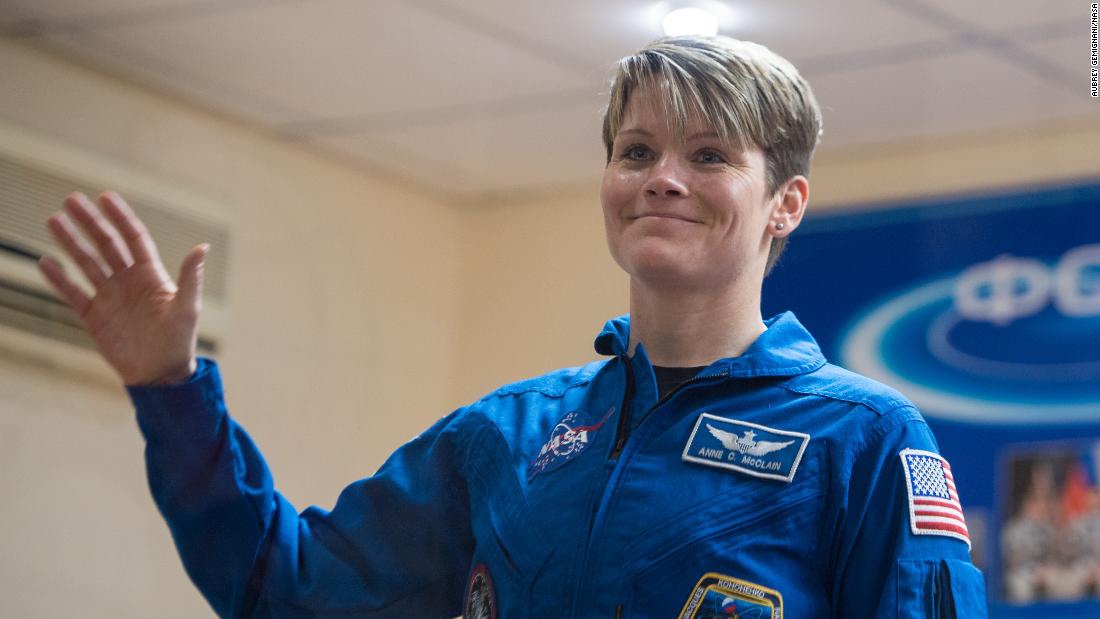
These involved McClain’s estranged spouse Summer Worden, whom she was in the midst of a bitter separation with. Ms Worden was concerned that McClain seemed to still know so much about her spending habits that she investigated where her bank credentials had been used to log into her account. She discovered that a computer system in space had accessed her bank account. On discovery Ms Worden filed a complaint with NASA’s Inspector General, accusing Ms McClain of identity theft and improper access to her private financial accounts while aboard the space station.
We are yet to find out how and if the case will progress.
How far does space law stretch?
Currently, the legal framework that has been agreed by the five states that own the space station (US, Russia, Europe, Japan, and Canada) is that nationals of each county will continue to be subjected to their respective national legal systems. For example a Japanese astronaut will be subject to Japanese laws even in space.
The law becomes more complex as space expeditions develop, will a new legal system need to be created to oversea space tourism? Who will own the rights to mine in space? Who will be responsible for clearing up space debris?
These are questions which will begin to form legal debate for many years to come.
 The Legal Read